Javascript Drag N Drop to Upload Image
It'due south a known fact that file choice inputs are difficult to fashion the way developers desire to, so many simply hibernate it and create a button that opens the file selection dialog instead. Nowadays, though, we take an fifty-fifty fancier way of treatment file selection: drag and drop.
Technically, this was already possible considering virtually (if not all) implementations of the file pick input immune you to drag files over it to select them, but this requires y'all to really show the file element. And then, let's actually apply the APIs given to us by the browser to implement a drag-and-drop file selector and uploader.
In this article, we'll be using "vanilla" ES2015+ JavaScript (no frameworks or libraries) to consummate this project, and information technology is assumed that you lot have a working knowledge of JavaScript in the browser. This example — bated from the ES2015+ syntax, which can hands changed to ES5 syntax or transpiled by Boom-boom — should be compatible with every evergreen browser plus IE 10 and 11.
Here's a quick wait at what you'll be making:
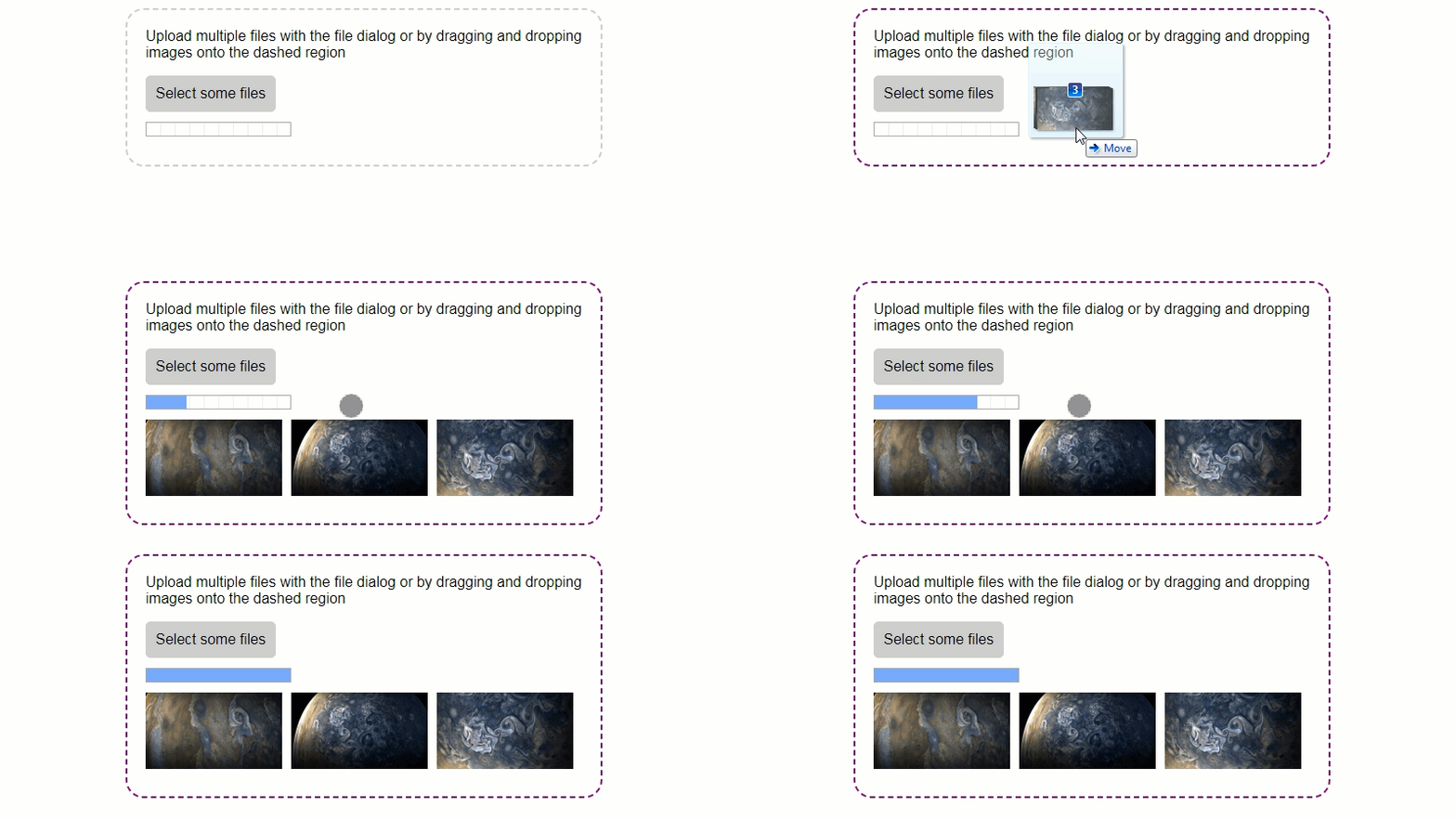
Drag-and-Drop Events
The showtime affair we demand to discuss is the events related to drag-and-drop because they are the driving force behind this feature. In all, in that location are viii events the browser fires related to drag and drop: drag, dragend, dragenter, dragexit, dragleave, dragover, dragstart, and drop. Nosotros won't be going over all of them because elevate, dragend, dragexit, and dragstart are all fired on the element that is being dragged, and in our instance, we'll be dragging files in from our file organization rather than DOM elements, so these events will never pop upward.
If you're curious about them, you can read some documentation most these events on MDN.
More than after jump! Continue reading beneath ↓
Equally you lot might wait, y'all can annals event handlers for these events in the same way you register effect handlers for most browser events: via addEventListener.
let dropArea = document.getElementById('driblet-area') dropArea.addEventListener('dragenter', handlerFunction, imitation) dropArea.addEventListener('dragleave', handlerFunction, false) dropArea.addEventListener('dragover', handlerFunction, faux) dropArea.addEventListener('drop', handlerFunction, false) Hither's a little table describing what these events do, using dropArea from the code sample in order to make the linguistic communication clearer:
| Event | When Is It Fired? |
|---|---|
dragenter | The dragged detail is dragged over dropArea, making information technology the target for the drop event if the user drops it there. |
dragleave | The dragged particular is dragged off of dropArea and onto another element, making it the target for the driblet event instead. |
dragover | Every few hundred milliseconds, while the dragged item is over dropArea and is moving. |
driblet | The user releases their mouse button, dropping the dragged particular onto dropArea. |
Note that the dragged item is dragged over a child of dropArea, dragleave will fire on dropArea and dragenter will burn down on that child chemical element because it is the new target. The driblet event will propagate upwardly to dropArea (unless propagation is stopped by a different outcome listener before it gets there), and so it'll withal burn on dropArea despite it not existence the target for the event.
Likewise notation that in gild to create custom elevate-and-driblet interactions, you'll demand to call event.preventDefault() in each of the listeners for these events. If you don't, the browser will end up opening the file y'all dropped instead of sending it forth to the drop event handler.
Setting Upward Our Form
Before we start adding elevate-and-drop functionality, we'll need a bones course with a standard file input. Technically this isn't necessary, but it's a good thought to provide information technology as an alternative in case the user has a browser without support for the drag-and-drop API.
<div id="driblet-area"> <class class="my-course"> <p>Upload multiple files with the file dialog or by dragging and dropping images onto the dashed region</p> <input type="file" id="fileElem" multiple accept="image/*" onchange="handleFiles(this.files)"> <label grade="button" for="fileElem">Select some files</label> </form> </div> Pretty unproblematic structure. You may observe an onchange handler on the input. We'll have a look at that later. It would likewise exist a good idea to add an action to the course and a submit button to help out those people who don't have JavaScript enabled. Then you can use JavaScript to go rid of them for a cleaner form. In whatever case, you lot will need a server-side script to accept the upload, whether it's something adult in-house, or y'all're using a service like Cloudinary to do information technology for you. Other than those notes, in that location's nothing special here, so permit'southward throw some styles in:
#driblet-area { border: 2px dashed #ccc; border-radius: 20px; width: 480px; font-family unit: sans-serif; margin: 100px auto; padding: 20px; } #drop-area.highlight { border-color: purple; } p { margin-peak: 0; } .my-grade { margin-lesser: 10px; } #gallery { margin-height: 10px; } #gallery img { width: 150px; margin-bottom: 10px; margin-right: 10px; vertical-align: middle; } .button { brandish: inline-block; padding: 10px; background: #ccc; cursor: arrow; border-radius: 5px; border: 1px solid #ccc; } .button:hover { groundwork: #ddd; } #fileElem { display: none; } Many of these styles aren't coming into play nevertheless, just that's OK. The highlights, for at present, are that the file input is subconscious, but its label is styled to await similar a button, so people will realize they tin can click it to bring up the file option dialog. We're too following a convention by outlining the drop area with dashed lines.
Adding The Drag-and-Driblet Functionality
Now we become to the meat of the situation: drag and drib. Let's throw a script in at the bottom of the page, or in a divide file, however you feel like doing it. The first thing we demand in the script is a reference to the drop area then nosotros can attach some events to it:
let dropArea = document.getElementById('drib-area') Now let'due south add together some events. Nosotros'll outset off with adding handlers to all the events to foreclose default behaviors and terminate the events from bubbling up whatsoever higher than necessary:
;['dragenter', 'dragover', 'dragleave', 'driblet'].forEach(eventName => { dropArea.addEventListener(eventName, preventDefaults, false) }) function preventDefaults (e) { east.preventDefault() e.stopPropagation() } At present let'southward add an indicator to permit the user know that they accept indeed dragged the detail over the correct area past using CSS to alter the color of the edge color of the drop area. The styles should already be there under the #driblet-area.highlight selector, so let'southward use JS to add and remove that highlight class when necessary.
;['dragenter', 'dragover'].forEach(eventName => { dropArea.addEventListener(eventName, highlight, imitation) }) ;['dragleave', 'drop'].forEach(eventName => { dropArea.addEventListener(eventName, unhighlight, false) }) function highlight(e) { dropArea.classList.add('highlight') } function unhighlight(e) { dropArea.classList.remove('highlight') } We had to use both dragenter and dragover for the highlighting because of what I mentioned earlier. If you outset off hovering direct over dropArea and and so hover over one of its children, then dragleave will exist fired and the highlight will be removed. The dragover outcome is fired later on the dragenter and dragleave events, so the highlight will be added dorsum onto dropArea earlier we see it being removed.
We likewise remove the highlight when the dragged item leaves the designated expanse or when you drop the detail.
Now all we demand to practise is figure out what to practise when some files are dropped:
dropArea.addEventListener('drop', handleDrop, false) function handleDrop(e) { allow dt = due east.dataTransfer permit files = dt.files handleFiles(files) } This doesn't bring us anywhere near completion, but it does 2 important things:
- Demonstrates how to become the data for the files that were dropped.
- Gets us to the same identify that the
fileinputwas at with itsonchangehandler: waiting forhandleFiles.
Keep in mind that files is not an assortment, merely a FileList. And so, when we implement handleFiles, we'll demand to convert it to an array in order to iterate over it more than easily:
role handleFiles(files) { ([...files]).forEach(uploadFile) } That was anticlimactic. Let's go into uploadFile for the real meaty stuff.
function uploadFile(file) { let url = 'YOUR URL Here' let formData = new FormData() formData.append('file', file) fetch(url, { method: 'POST', body: formData }) .then(() => { /* Done. Inform the user */ }) .grab(() => { /* Error. Inform the user */ }) } Here we employ FormData, a congenital-in browser API for creating course data to ship to the server. We then use the fetch API to actually ship the image to the server. Make sure y'all change the URL to work with your back-finish or service, and formData.append whatsoever additional form data you may need to give the server all the information it needs. Alternatively, if you want to support Cyberspace Explorer, you may desire to use XMLHttpRequest, which means uploadFile would wait like this instead:
role uploadFile(file) { var url = 'YOUR URL Hither' var xhr = new XMLHttpRequest() var formData = new FormData() xhr.open('Postal service', url, true) xhr.addEventListener('readystatechange', function(due east) { if (xhr.readyState == 4 && xhr.status == 200) { // Done. Inform the user } else if (xhr.readyState == four && xhr.status != 200) { // Fault. Inform the user } }) formData.append('file', file) xhr.ship(formData) } Depending on how your server is set up, yous may desire to check for different ranges of condition numbers rather than just 200, but for our purposes, this will work.
Additional Features
That is all of the base of operations functionality, simply often we want more functionality. Specifically, in this tutorial, nosotros'll be calculation a preview pane that displays all the called images to the user, then we'll add together a progress bar that lets the user see the progress of the uploads. And then, allow'due south get started with previewing images.
Paradigm Preview
There are a couple of ways you could practice this: you lot could wait until afterward the image has been uploaded and ask the server to ship the URL of the prototype, but that means y'all need to wait and images can be pretty large sometimes. The alternative — which we'll exist exploring today — is to use the FileReader API on the file data we received from the driblet consequence. This is asynchronous, and you could alternatively employ FileReaderSync, but we could exist trying to read several large files in a row, then this could cake the thread for quite a while and actually ruin the experience. So let'southward create a previewFile function and run across how it works:
part previewFile(file) { let reader = new FileReader() reader.readAsDataURL(file) reader.onloadend = office() { permit img = document.createElement('img') img.src = reader.effect certificate.getElementById('gallery').appendChild(img) } } Here we create a new FileReader and call readAsDataURL on it with the File object. As mentioned, this is asynchronous, so we need to add an onloadend event handler in order to go the result of the read. We then use the base of operations 64 data URL as the src for a new image element and add together it to the gallery element. In that location are but ii things that need to exist done to make this work now: add the gallery chemical element, and make sure previewFile is actually called.
First, add the following HTML right after the terminate of the form tag:
Nix special; it'southward just a div. The styles are already specified for it and the images in it, so there'due south zilch left to do in that location. At present permit's change the handleFiles function to the following:
office handleFiles(files) { files = [...files] files.forEach(uploadFile) files.forEach(previewFile) } There are a few ways you lot could have done this, such equally composition, or a single callback to forEach that ran uploadFile and previewFile in information technology, simply this works too. And with that, when you driblet or select some images, they should show upwardly almost instantly beneath the form. The interesting matter virtually this is that — in certain applications — you may not actually desire to upload images, just instead store the information URLs of them in localStorage or some other customer-side cache to be accessed by the app later. I tin can't personally think of whatsoever skillful use cases for this, but I'thousand willing to bet at that place are some.
Tracking Progress
If something might take a while, a progress bar can help a user realize progress is really beingness made and give an indication of how long it volition take to be completed. Adding a progress indicator is pretty easy thanks to the HTML5 progress tag. Allow's start past calculation that to the HTML code this time.
<progress id="progress-bar" max=100 value=0></progress> You tin can plop that in right later on the label or between the form and gallery div, whichever you fancy more than. For that matter, you can identify information technology wherever you want inside the body tags. No styles were added for this example, so it will bear witness the browser's default implementation, which is serviceable. Now let's work on adding the JavaScript. We'll first look at the implementation using fetch and then nosotros'll testify a version for XMLHttpRequest. To start, we'll demand a couple of new variables at the top of the script :
let filesDone = 0 let filesToDo = 0 permit progressBar = document.getElementById('progress-bar') When using fetch we're only able to determine when an upload is finished, so the only information we track is how many files are selected to upload (as filesToDo) and the number of files that take finished uploading (as filesDone). We're also keeping a reference to the #progress-bar element and then we tin update it quickly. Now let's create a couple of functions for managing the progress:
function initializeProgress(numfiles) { progressBar.value = 0 filesDone = 0 filesToDo = numfiles } role progressDone() { filesDone++ progressBar.value = filesDone / filesToDo * 100 } When we first uploading, initializeProgress will exist called to reset the progress bar. And then, with each completed upload, we'll phone call progressDone to increment the number of completed uploads and update the progress bar to show the electric current progress. So allow's phone call these functions by updating a couple of sometime functions:
function handleFiles(files) { files = [...files] initializeProgress(files.length) // <- Add this line files.forEach(uploadFile) files.forEach(previewFile) } function uploadFile(file) { let url = 'YOUR URL Here' allow formData = new FormData() formData.append('file', file) fetch(url, { method: 'Postal service', body: formData }) .so(progressDone) // <- Add `progressDone` phone call here .catch(() => { /* Error. Inform the user */ }) } And that'southward it. Now allow's accept a expect at the XMLHttpRequest implementation. Nosotros could just make a quick update to uploadFile, but XMLHttpRequest actually gives united states of america more functionality than fetch, namely we're able to add an event listener for upload progress on each asking, which will periodically requite united states information about how much of the request is finished. Because of this, we need to track the percentage completion of each asking instead of just how many are done. And then, permit'southward start with replacing the declarations for filesDone and filesToDo with the following:
allow uploadProgress = [] Then we demand to update our functions too. We'll rename progressDone to updateProgress and modify them to be the following:
function initializeProgress(numFiles) { progressBar.value = 0 uploadProgress = [] for(let i = numFiles; i > 0; i--) { uploadProgress.push(0) } } function updateProgress(fileNumber, percent) { uploadProgress[fileNumber] = pct let total = uploadProgress.reduce((tot, curr) => tot + curr, 0) / uploadProgress.length progressBar.value = full } Now initializeProgress initializes an array with a length equal to numFiles that is filled with zeroes, cogent that each file is 0% consummate. In updateProgress we find out which image is having their progress updated and change the value at that index to the provided per centum. We then summate the total progress percentage past taking an average of all the percentages and update the progress bar to reflect the calculated total. We notwithstanding call initializeProgress in handleFiles the aforementioned as we did in the fetch example, so now all we need to update is uploadFile to call updateProgress.
function uploadFile(file, i) { // <- Add `i` parameter var url = 'YOUR URL HERE' var xhr = new XMLHttpRequest() var formData = new FormData() xhr.open('POST', url, true) // Add following event listener xhr.upload.addEventListener("progress", role(e) { updateProgress(i, (e.loaded * 100.0 / e.total) || 100) }) xhr.addEventListener('readystatechange', office(e) { if (xhr.readyState == four && xhr.status == 200) { // Done. Inform the user } else if (xhr.readyState == four && xhr.status != 200) { // Fault. Inform the user } }) formData.append('file', file) xhr.ship(formData) } The first thing to note is that we added an i parameter. This is the index of the file in the list of files. We don't need to update handleFiles to pass this parameter in because information technology is using forEach, which already gives the index of the element every bit the second parameter to callbacks. We as well added the progress event listener to xhr.upload so we can call updateProgress with the progress. The upshot object (referred to equally e in the code) has two pertinent pieces of information on it: loaded which contains the number of bytes that accept been uploaded and then far and full which contains the number of bytes the file is in total.
The || 100 slice is in there because sometimes if there is an error, due east.loaded and eastward.full volition be zero, which means the calculation volition come up out as NaN, so the 100 is used instead to report that the file is done. You could as well apply 0. In either case, the error will show up in the readystatechange handler so that you tin can inform the user near them. This is merely to prevent exceptions from existence thrown for trying to do math with NaN.
Decision
That's the final slice. You lot now have a spider web page where you can upload images via drag and drop, preview the images being uploaded immediately, and meet the progress of the upload in a progress bar. Yous tin meet the final version (with XMLHttpRequest) in action on CodePen, but be aware that the service I upload the files to has limits, so if a lot of people test information technology out, it may break for a fourth dimension.
 (rb, ra, il)
Source: https://www.smashingmagazine.com/2018/01/drag-drop-file-uploader-vanilla-js/
0 Response to "Javascript Drag N Drop to Upload Image"
Post a Comment